
About Common Language©
We’re helping product teams increase dev velocity & UX quality at scale.
The Problem
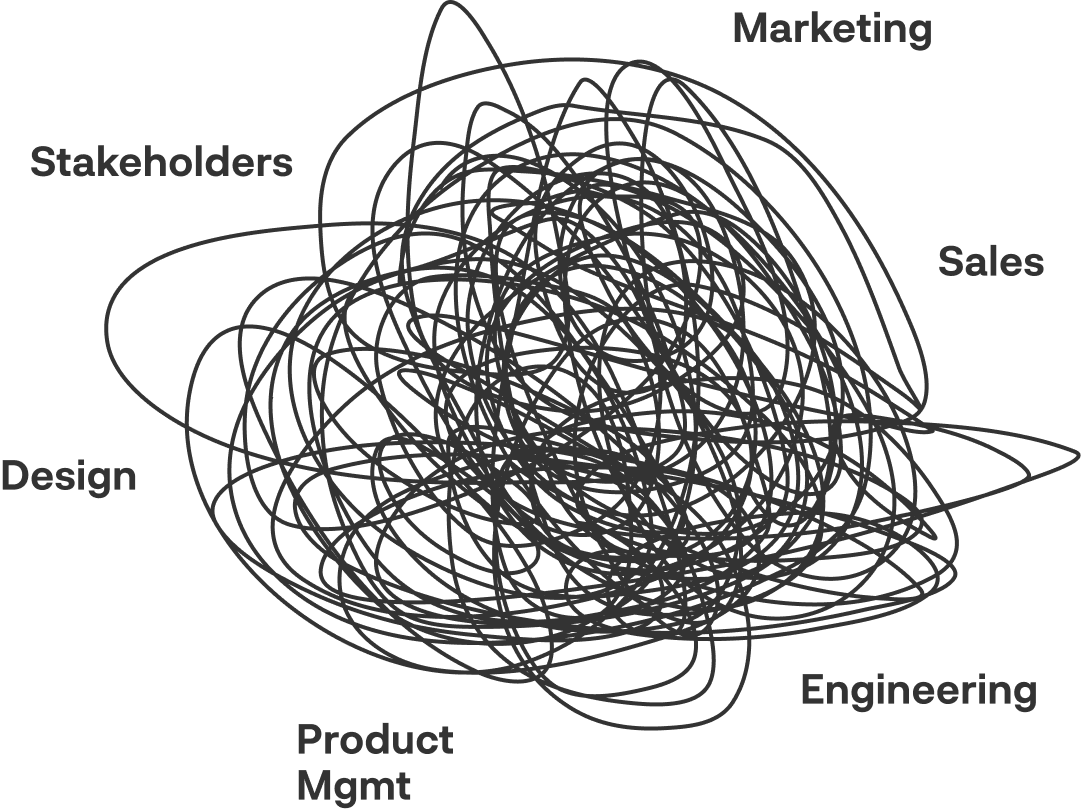
Today’s internal product development and strategy practices are disjointed and broken.
Oftentimes the reason for this is because teams have outgrown the operational processes that were semi established when they were in MVP or early growth phase.
This leads to—
• Underperforming customer experiences
• Compounding increase in technical debt
• Inefficient workflows and redundancies
• Resource allocation inefficiencies
• Significant R&D waste
• Low team morale
• Increase in product development & business risk
• Failing and underperforming software
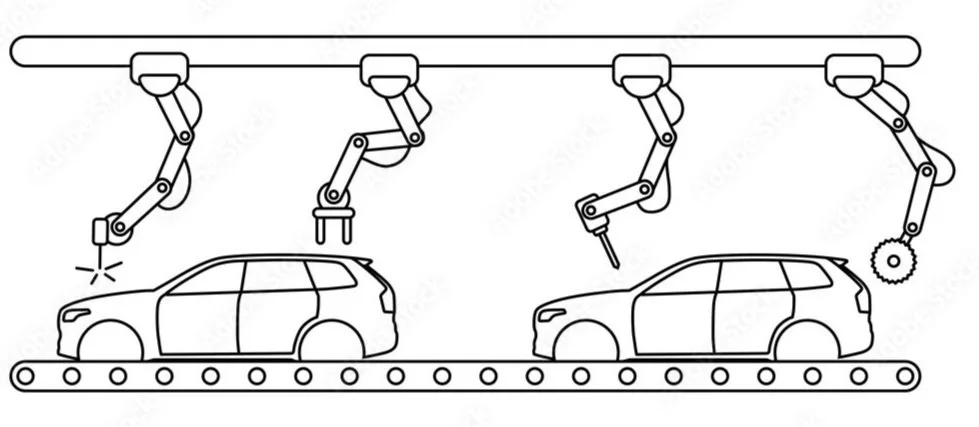
During the industrial age the assembly line was born, improved upon, and scaled throughout companies all over the world.
Today companies are becoming digitized and software based, shifting operational models away from the top down assembly line model towards a continuous development operational model that is guided by two-way conversations with customers.
Teams now, more than ever, recognize the growing need for better operational practices. However, until now, there has never been a wholistic, scalable, and continuously improving source of truth that product teams can easily adopt—one that enables them to refine their processes as they build.
As teams increasingly integrate AI into their workflows, establishing clear operational practices and a shared logic is a critical first step.
Why Now?
Our BIG hypothesis: if at the very least, we help define a “common language” among product teams, improved innovation outcomes will be achieved.
Hypothesis
There are two fundamental pillars required to successfully optimize product operations within an organization.
The first pillar is a framework or model that captures product strategy, important marketing, product, design, and engineering considerations, and interdependent departmental work.
The second is a collective product thinking mindset. Successfully getting buy-in from key stakeholders, department leads, and individual contributors before attempting reorganizational efforts is important for long term success.
The Common Language© Solution
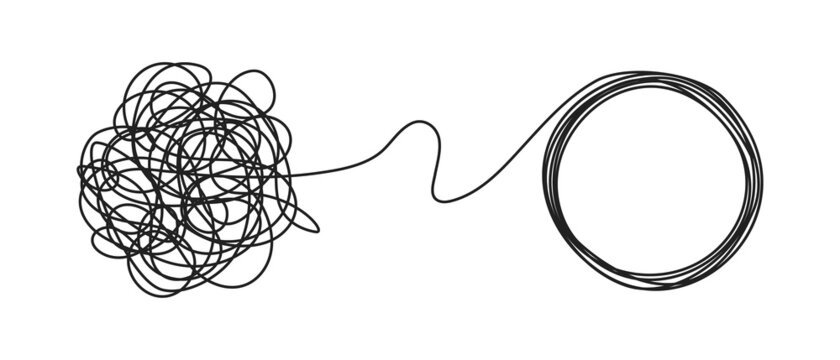
Common language has componentized product operation best practices within a cohesive framework that can be filtered, viewed, and shared based on department or function. These components also support scalability and agility.
All of Common Language’s operating systems include an interconnected roadmap with OKR inputs, feature prioritization & generation methodology, PRD/ticket structure with hypothesis input, ready-for-handoff Figma file, usability testing scripts, user testing repository, AI opportunities, and so much more.
Design and product thinking practices are strategically placed at the core of our operating systems providing needed guardrails to effectively align teams while also providing the needed flexibility to achieve organizational goals (OKRs).
Each module within our framework includes educational resources and the ability to quickly generate artifacts in the tooling of your choice. Fractional team coaching & training is also available.
Our operating systems and artifacts are available in the tooling of your choice.

VISION
Our vision is to move innovation forward with accessible & opinionated product operation and strategy support.
-
It is one thing to tell someone how to solve a problem. It is an entirely different thing to roll up your sleeves and help others solve their biggest most complex challenges. We believe product leaders should lead more by doing and less by talking about potential solutions.
-
While launching an early stage MVP can be done by a scrappy few, successfully iterating on and scaling products over time requires effective cross functional operations. We believe optimized product operations is a fundamental component to building successful products.
-
If your product team is not continuously uncovering user needs and delivering solutions without top down feature requests or outside consultants then you don’t have a properly functioning product team. Our goal is to instill continuous discovery and delivery practices within your team as efficiently and effectively as possible.
-
Engineering, design, and overall product debt is created when problems compound over time. Systemic solutions that are effectively implemented are necessary to stay ahead of product team inefficiencies.
Our principles
Join the conversation
Follow along and be apart of improving strategy and decision making at scale.